
Cold, COVID, & Flu
Cold, COVID, Flu & Testing
Cold, flu, and COVID-19 share many overlapping symptoms—such as cough, sore throat, fever, body aches, and fatigue—which makes it difficult to know exactly what’s causing your illness without proper testing. These respiratory infections often surge during the fall and winter months, but they can occur year-round.
If you’re experiencing cough, sore throat, congestion, runny nose, headache, fever, chills, or body aches, it’s important to get tested. Identifying whether you have a common cold, influenza, or COVID-19 helps our clinicians recommend the right treatment, returnto-work/school guidance, and prevention strategies for your family.

Why Testing Matters
Accurate Diagnosis: Know whether it's a cold, flu, strep throat, RSV, or COVID-19.
Faster recovery: Receive tailored treatment recommendations.
Protect others: Reduce the risk of spreading contagious illnesses to loved ones, classmates, or coworkers.
Peace of mind: Eliminate uncertainty and take the right next steps.
Our urgent care offers rapid flu tests, COVID-19 PCR/antigen tests, and strep tests with results delivered quickly, often the same day.Walk-ins are welcome, or you can schedule a same-day appointment online for faster service.
When to Book a Test
• New onset of fever, cough, or sore throat
• Exposure to someone with COVID-19 or flu
• Worsening congestion, sinus pain, or fatigue
• Need for clearance before work, school, or travel
Questions About Cold, Flu & COVID Testing
Cold, flu, and COVID-19 symptoms can feel very similar—especially during the fall and winter months, though these illnesses occur year-round. If you’re experiencing cough, sore throat, fever, body aches, or fatigue, it’s important to get tested so our clinicians can identify the cause and recommend the most effective treatment.
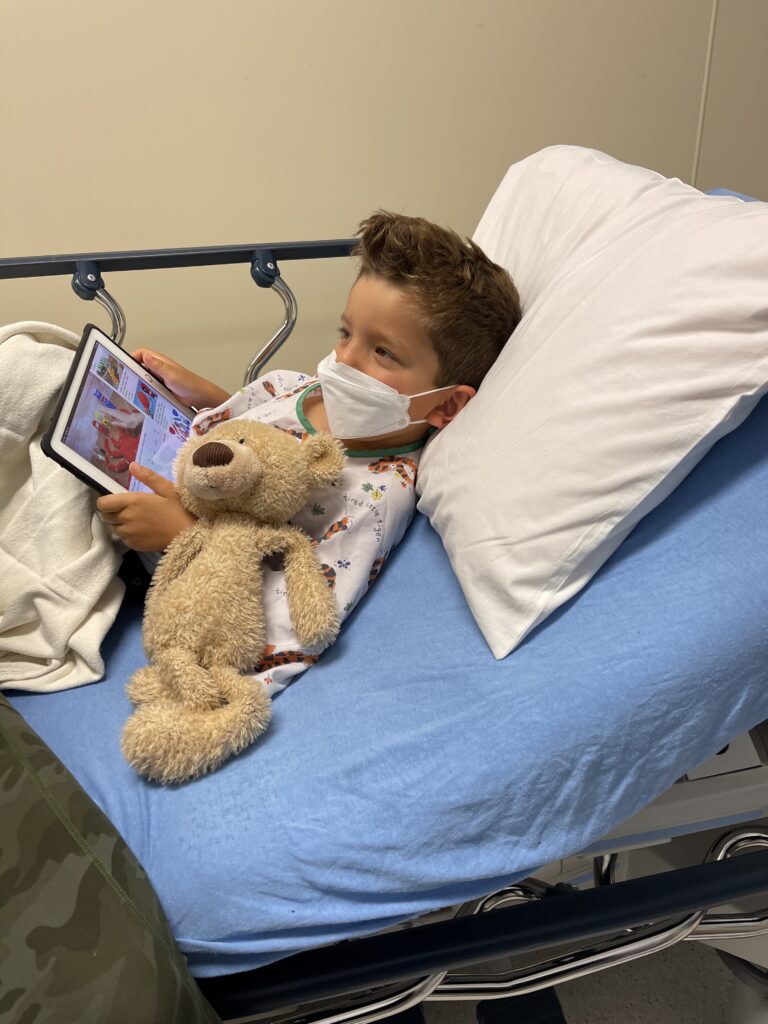
Cold, flu, and COVID-19 symptoms are best addressed in an urgent care clinic or by your primary care provider. At Aria Urgent Care, we provide same-day in-person visits and rapid testing to help you feel better faster. Some cases may also be managed through a telemedicine visit; however, if testing is needed, you’ll be referred for an in-clinic evaluation.
Yes. We provide rapid COVID-19 antigen testing with results available in as little as 10 minutes. For patients who require more sensitive testing, we also offer PCR testing, with results typically available either in 30 minutes or within 24–48 hours.
● Common Cold: Usually mild and caused by a viral infection of the upper respiratory
tract. Symptoms include runny or stuffy nose, sore throat, cough, mild fatigue,
and occasionally a low-grade fever. Symptoms typically last 2–10 days.
● Influenza (Flu): Often more severe than a cold. In addition to cold-like symptoms,
the flu can cause high fever, body aches, chills, nausea, and significant fatigue.
The flu may lead to complications in higher-risk individuals (young children, older
adults, those with chronic conditions).
Because cold, flu, and COVID-19 symptoms overlap, testing is the best way to know
what’s making you sick.
In the United States, cold and flu season generally begins in the fall (around
September/October) as schools resume and people spend more time indoors. It often peaks during the winter months and can extend into late spring.
Both illnesses are spread through respiratory droplets:
● When an infected person coughs, sneezes, or even talks, virus particles can be
inhaled by others.
● The virus can also land on surfaces, where it may spread when someone touches
the surface and then touches their eyes, nose, or mouth.
● People are contagious even before they develop symptoms (typically 1–4 days after infection).
● Colds: Usually last 5–7 days. Lingering cough or fatigue may persist a bit longer.
● Flu: Also lasts about a week, though severe fatigue may continue for up to 2 weeks. ● Antiviral medications (like Tamiflu) may shorten the duration of flu symptoms if
started within 48 hours of onset. These may be recommended for patients at higher
risk of complications.